How to Maximize Income From a Rental Property?

Rental property can be one of the most powerful tools for building long-term wealth. However, without the right strategies, you may not realize its full earning potential. Many real estate owners assume collecting rent is enough, but passive income from rental property requires careful planning, smart decisions, and proactive management.
AtNext Level Rentals & Realty, we specialize in helping landlords improve rental income, reduce turnover, and enhance long-term value. Whether you're just getting started or managing multiple units, these strategies will help you maximize income from your investment property.
Tips to Maximize Rental Income
Maximizing your rental income is a skill that you can develop. It requires planning and a lot of proactivity to get it right. Some tips you can implement include:
Set the Right Rental Price
Choosing the best rent price is a balance between profit and occupancy. Set it too low, and you miss out on income. Set it too high, and vacancies may follow.
Strategies to Optimize Your Rental Pricing:
To land on the best price for your rental property, you can:
- Use rent estimator tools.
- Study comparable units in your neighborhood.
- Adjust annually based on inflation and market demand.
- Track local rental market trends to stay competitive.
This data-driven approach helps increase rental property income without scaring away qualified tenants.
Improve the Property’s Value
Upgrades can justify higher rent and attract long-term tenants. Even minor enhancements can significantly raise perceived value.
<Perform Smart Property Upgrades
Not every upgrade in your home will affect your rental income positively. As such, you should strategize on which upgrade to make:
- New appliances and energy-efficient appliances
- Modern finishes (fixtures, lighting, paint)
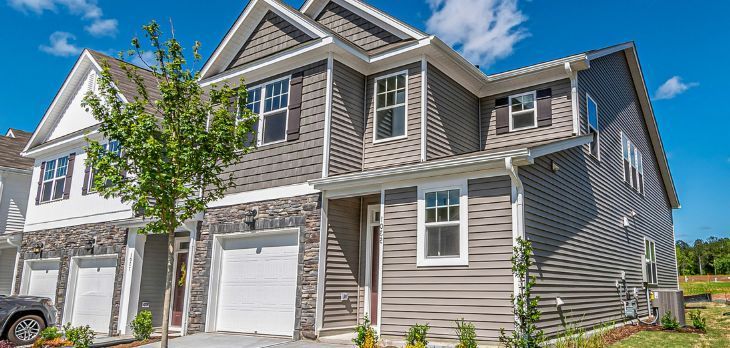
- Curb appeal updates (landscaping, exterior cleaning)
- Smart home features for rentals (smart locks, thermostats)
Improving property value can give your real estate investment a competitive edge. Small investments can provide big returns and boost both cash flow and rental yield.
Screen Tenants Thoroughly
A single bad tenant can cost thousands in damages and legal fees. That’s why tenant screening is one of the most important parts of rental property management.
<Build An Effective Screening Process
When you are screening your tenants, you should have a thorough process. Part of this process should include:
- Credit check, background checks
- Employment and income verification
- Rental history and landlord references
- Clear rental criteria and documentation
High-quality tenants pay on time, care for the property, and stay longer, directly boosting rental ROI and minimizing legal disputes.
Evaluate Short-Term vs Long-Term Models
Your real estate investment strategy affects your profits. In some markets, short-term rentals may outperform traditional leases. But they come with higher management needs and turnover.
Compare Short Term vs. Long-Term
Before you settle on either, you should understand the pros and cons of each model:
- Short-term rentals benefits: Higher nightly rates, flexible pricing
- Short-term drawbacks: Frequent cleanings, inconsistent income
- Long-term benefits: Stability, less maintenance
- Long-term drawbacks: Limited flexibility in pricing
Assess your real estate market location and goals. Some real estate investors even mix both models depending on the season.
Maximize Tax Deductions
Owning rental real estate offers several tax benefits that can enhance your financial position. Make sure you’re taking advantage of all available tax deductions, including mortgage interest, insurance, repairs, property management service fees, and depreciation.
Keep detailed records and receipts, and work with a tax professional who understands income tax on rental property. Knowing how to structure your deductions helps reduce your tax burden while improving your real estate return on investment. You may also qualify for tax breaks like capital gains tax exemptions and deductions found on Schedule E of your tax return.
Strengthen Lease Agreements
A well-written lease agreement protects both you and your tenant. Make sure it clearly outlines rent amounts, due dates, repair responsibilities, and rules for pets, guests, or subleasing. Consider including security deposits, late fees, early termination clauses, and policies for property care.
Strong lease agreements minimize misunderstandings and provide a legal framework for enforcement if issues arise. A solid lease is a small step that has a major impact on maintaining consistent rental property income.
Take Advantage of Professional Support
Many landlords underestimate the value of working with a knowledgeable partner. From marketing to legal compliance, professional guidance eliminates guesswork and helps you achieve consistent profits.
At Next Level Rentals, we help property owners:
- Increase monthly rental income
- Reduce vacancy rate and turnover
- Improve property appeal
- Navigate rental regulations
- Strengthen return on investment
Let us help you unlock the full potential of your investment property.
Maximize Your Investment the Smart Way with Next Level Rentals & Realty
Real estate is one of the most powerful wealth-building tools available, but success depends on your ability to operate efficiently and strategically. The right improvements, pricing, and tenant relations can dramatically increase income from a rental property.
Whether you're managing one unit or many, Next Level Rentals offers the services and insight you need to grow your investment. Contact us today to learn how our professional team can help you boost returns, reduce stress, and take your rental business to the next level.
Blogs